Understanding TSW Skin Flares: Decoding Your Healing Cycle
Topical Steroid Withdrawal (TSW) is a debilitating condition that arises after prolonged use and subsequent discontinuation of topical corticosteroids. For those navigating this challenging journey, one of the most perplexing and distressing aspects is the relentless cycle of skin flares. These flares, characterized by intense redness, itching, burning, and various other uncomfortable symptoms, can feel like a constant setback, an endless battle that drains both physical and emotional reserves. However, understanding the true nature of these TSW skin flares is crucial: they are often not just symptoms of disease, but rather critical indicators of your body's profound efforts to heal and recalibrate.
The experience of TSW skin can be overwhelming. What initially might seem like a worsening of symptoms can, in many cases, signify the deeper restorative processes at play. Learning to decode these flares – distinguishing between a natural part of healing, a temporary aggravation, or a genuine trigger – empowers individuals to approach their recovery with a more informed and resilient mindset.
The Paradox of TSW Flares: Healing in Disguise
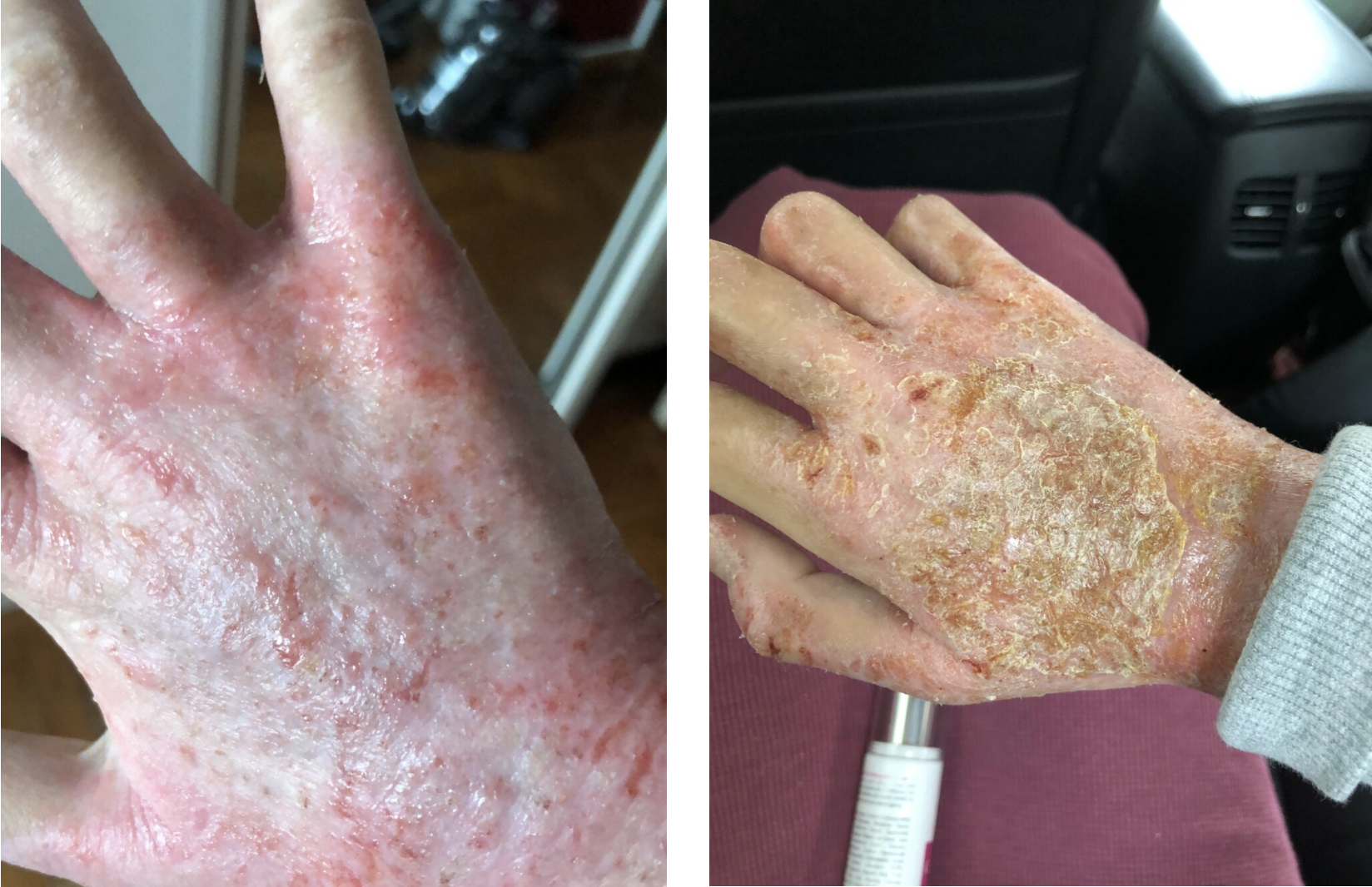
It's natural to perceive a severe skin flare as a step backward. The inflamed, often weeping or crusting TSW skin can be agonizing, leading to despair and questions about whether healing is truly possible. Yet, for many, these intense episodes are precisely how the body purges the effects of topical steroid addiction and reconstructs a healthy skin barrier. The body, accustomed to the suppressive effects of corticosteroids, goes into overdrive as it re-learns to regulate inflammation and immunity without external intervention.
This detoxification and repair process can manifest as a "flare." It's your skin actively working to:
- Shed damaged cells: The accelerated turnover of skin cells can lead to extensive peeling and flaking.
- Eliminate toxins: The skin, as an excretory organ, may try to release built-up chemicals and inflammatory compounds, resulting in oozing or pustules.
- Rebuild the skin barrier: The redness, swelling, and increased sensitivity are often signs of acute inflammation as the skin's protective lipid barrier is being re-established.
- Regulate the immune system: The immune system, previously suppressed by steroids, can become hyperactive, leading to intense itching and burning as it rebalances.
This cyclical nature means that just when you think you might be turning a corner, another flare can emerge. This feeling of a "constant attack" and "never ending" cycle, as described by those experiencing it, is a hallmark of TSW, but recognizing it as part of the healing trajectory can help reframe the narrative from one of suffering to one of restoration.
Common Triggers and Aggravators of TSW Skin Flares
While many flares are simply part of the natural healing ebb and flow, others can be exacerbated or intensified by specific triggers. Identifying and managing these can help in navigating the journey more smoothly, though they rarely stop the overall healing process.
Internal Triggers:
- Stress and Emotional Load: The psychological burden of TSW is immense. Chronic stress can impact the immune system and cortisol levels, potentially intensifying inflammatory responses. Practices like mindfulness, meditation, or gentle exercise can be invaluable for managing stress, which in turn can help the body cope with TSW skin symptoms.
- Dietary Choices: Certain foods can be inflammatory for some individuals. The personal account of experiencing aggravated skin after consuming sugar on a cruise highlights how diet can play a role. Common culprits often include:
- High-sugar foods
- Processed foods
- Dairy products
- Gluten
- High histamine foods
Keeping a food diary to track potential links between diet and flare severity can be a useful tool.
- Sleep Deprivation: Lack of quality sleep can hinder the body's repair processes and elevate stress hormones, potentially making flares worse. Prioritizing consistent, restorative sleep is vital.
External Triggers:
- Environmental Allergens: Dust mites, pollen, pet dander, or even certain chemicals in household products can provoke an allergic-like irritation, similar to the "spotty, like an allergy irritation" described in some TSW experiences. While not the root cause of TSW, these can certainly aggravate already sensitive TSW skin.
- Temperature Extremes: Both very hot and very cold temperatures, dry air, or excessive humidity can irritate compromised skin. The sun, while offering vitamin D, can also be a strong irritant for TSW skin, making sun protection (like covering up with a hat and clothing, as mentioned in one personal account) essential.
- Friction and Clothing: Tight clothing, rough fabrics, or excessive rubbing can cause mechanical irritation and worsen existing inflammation or lead to new spots, especially in areas prone to movement like the neck.
- Irritating Skincare Products: Many conventional skincare products contain fragrances, preservatives, or harsh chemicals that can strip the skin's natural oils or cause allergic reactions. Sticking to simple, gentle, and often minimal products is usually recommended for TSW skin.
Decoding Different Types of TSW Skin Manifestations
The
Months TSW: Navigating Red Skin Syndrome Symptoms article provides further context on the various ways TSW manifests. TSW skin can present with a wide array of symptoms, and understanding what each might signify can help manage expectations and reactions.
*
Intense Redness (Red Skin Syndrome): This is perhaps the most iconic symptom of TSW. It indicates severe vasodilation (widening of blood vessels) and inflammation as the body struggles to regulate blood flow and fight off perceived threats.
*
Unrelenting Itch (Pruritus): Often described as deep, uncontrollable, and maddening, itchiness is a primary symptom. It's a complex neurological response, often a sign of nerve damage and repair.
*
Burning Sensation: This painful symptom often accompanies intense redness and indicates hypersensitivity of nerve endings as they recover from steroid suppression.
*
Oozing and Weeping: When the skin barrier is severely compromised, fluid can leak from the damaged capillaries. This can be a sign of intense inflammation and the body trying to flush out impurities.
*
Flaking and Peeling: Rapid cell turnover results in copious amounts of dead skin, signifying the skin's attempt to renew itself. This is a crucial part of the healing cycle.
*
Crusting: Oozing fluid can dry and form crusts, which are a protective layer over healing skin but can also be prone to infection if not managed gently.
*
Nodules and Bumps: These can range from small, itchy papules to larger, more painful nodules, often indicative of deeper inflammatory processes.
*
Elephant Skin/Lichenification: Over time, chronic itching and inflammation can cause the skin to thicken and take on a leathery, wrinkled appearance. This is a common adaptive response to persistent irritation.
*
Dryness and Cracking: As the skin barrier struggles to retain moisture, severe dryness can lead to painful cracks, making it vulnerable to infection. The experience of "around my mouth was either red or dry" or "eyelids as well would be itchy" highlights these localized dry patches.
*
Spotty or Allergy-like Irritation: As seen with "cheeks were very spotty" or "neck was pretty aggravated," sometimes flares can mimic allergic reactions, with localized redness, bumps, or specific patches of irritation. This often signifies a localized inflammatory response.
Navigating Your TSW Healing Cycle: Practical Strategies
The journey through TSW is often long and arduous, but proactive strategies can make a significant difference in managing flares and fostering healing. For more detailed insights, refer to
The TSW Journey: Managing Flares and Finding Relief Over Time.
- Embrace Minimalist Skincare: Your TSW skin is highly sensitive. Opt for fragrance-free, dye-free, and paraben-free products. Many find comfort in "no moisture treatment" (NMT) or simply using a gentle, natural emollient like Vaseline or pure shea butter sparingly when needed, allowing the skin to restore its own moisture regulation.
- Hydration from Within: Drink plenty of water to support skin health and overall bodily functions.
- Manage Stress Proactively: Incorporate stress-reducing activities into your daily routine. This could be gentle yoga, deep breathing exercises, spending time in nature, or engaging in hobbies that bring you joy and distraction.
- Identify and Avoid Personal Triggers: Pay close attention to how your body reacts to different foods, environments, and activities. A detailed journal can help identify patterns between specific triggers and flare severity.
- Seek Support: Connect with others going through TSW. Online communities and support groups provide invaluable emotional support, shared experiences, and practical tips. You are not alone.
- Practice Gentle Hygiene: Opt for lukewarm showers or baths, avoiding harsh soaps. Pat your skin dry instead of rubbing.
- Prioritize Sleep: Create a comfortable, cool, and dark sleep environment. Good sleep is crucial for cellular repair and immune function.
- Be Patient and Kind to Yourself: TSW healing takes time. There will be good days and bad days, and flares are an inevitable part of the process. Celebrate small victories and acknowledge your resilience.
Conclusion
Understanding TSW skin flares as a fundamental, albeit painful, part of the healing cycle is a powerful shift in perspective. While the experience is undeniably challenging, recognizing that many flares are signals of your body actively working to repair itself can instill a sense of hope and purpose. By decoding your healing cycle, identifying potential aggravators, and implementing supportive self-care strategies, you can navigate the TSW journey with greater resilience and an informed understanding of your body's incredible capacity for recovery. Remember, each flare, though difficult, brings you one step closer to complete skin restoration.